


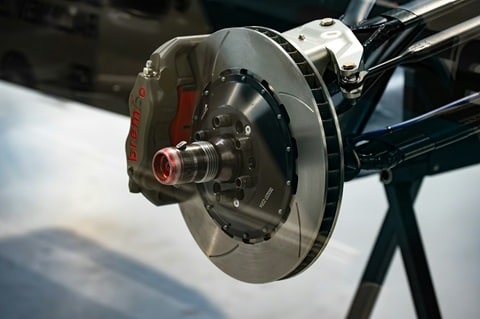
Your brakes are one of the most important safety systems on your vehicle. You rely on them every day—rolling through school zones, merging onto US-75, or slowing down in stop-and-go traffic on Dallas North Tollway. Modern braking systems use a mix of hydraulic pressure, mechanical friction, and (on many EVs and hybrids) regenerative braking that helps recapture energy while slowing down.
Because so much is happening behind the scenes, brake components wear over time. The good news is your vehicle often gives you warning signs before a small issue becomes a bigger repair. Routine inspections help keep braking performance consistent and can catch wear early, especially if you drive in heavy traffic, tow, or take lots of short trips.
How To Tell if Your Brakes Need Service
You can’t easily see most brake components without a closer inspection. Pads, rotors, and calipers sit behind the wheels, and brake lines and the master cylinder require a look under the hood and underneath the vehicle. Instead of guessing, pay attention to the signs below—these are some of the most common ways your brake system signals that something needs attention.
Brake Warning Light Is On
Dashboard warnings vary by model, but most vehicles have a brake system indicator that alerts you to a problem. Depending on the vehicle, the light may point to low brake fluid, a hydraulic pressure concern, worn brake pads, or an issue with the ABS or other brake-related sensors.
If a brake warning light comes on, don’t ignore it. Brakes aren’t a “wait until the weekend” system—get it checked as soon as you can. Some Chevrolet models also include brake wear indicators or a brake pad life monitor that estimates pad wear and prompts service when it’s time, which can be especially helpful if you’re not sure how many miles are left on your pads.
Unusual Noises While Braking
Brake noises are one of the earliest signs that pads are wearing down. Many brake pads are designed to make a high-pitched squeal when they reach a certain wear point. That squeal is basically your vehicle saying it’s time for new pads.
If the sound turns into grinding, that usually means you’ve waited too long and metal is contacting metal, which can damage rotors quickly. You may also notice clicking, scraping, or a “sandpaper” sound if debris is trapped near the pad or rotor. Since noises can have different causes (and different fixes), it’s worth having a technician inspect the system before extra damage occurs.
Unusual Brake Feel
Most drivers recognize what “normal” braking feels like in their vehicle—smooth, predictable pressure and a controlled stop. If braking suddenly feels different, pay attention.
Common changes include vibration or pulsing through the brake pedal (often linked to rotor wear or heat-related rotor variation), a pull to one side while braking (which can point to uneven pad wear, a caliper issue, or tire/suspension concerns), or a spongy pedal that feels soft and requires extra travel. A soft pedal can be related to brake fluid issues, air in the lines, or a hydraulic problem. Any of these symptoms are a good reason to schedule an inspection.
Longer Stopping Distances
If you find yourself needing more room to stop than you used to—especially at lower speeds around town—that’s a clear sign something has changed. Worn pads, overheated components, low fluid, or uneven braking force can all reduce stopping performance.
Because longer stopping distances can impact safety quickly, it’s smart to have your braking system checked right away if you notice you’re pressing the pedal earlier than normal, braking harder than usual, or still not getting the same confident stop.
Burning Smell or Smoke Near the Wheels
A sharp burning odor after braking—especially after a long downhill, heavy traffic, or towing—can signal overheated brakes. In some cases, a sticking caliper can keep a brake engaged longer than it should, generating excessive heat.
If you ever notice smoke, a strong burning smell, or intense heat from a wheel area, safely pull over when possible and allow the brakes to cool. Then schedule service. Overheating can reduce braking performance and accelerate wear on pads, rotors, and brake fluid.
Benefits of Getting Your Brakes Serviced
Staying on top of brake maintenance helps protect what matters most—your safety and the safety of everyone riding with you. Consistent braking performance is especially important in North Texas driving, where sudden slowdowns and quick merges are part of daily routines.
Regular brake service can also help you avoid more expensive repairs. Pads are a wear item designed to be replaced, but delaying service can lead to rotor damage, caliper stress, and higher repair costs later. A simple inspection can confirm pad thickness, rotor condition, and fluid health so you can plan service at the right time instead of reacting to an emergency.
Types of Brakes
Most vehicles on the road use either disc brakes, drum brakes, or a combination of both. Drum brakes were common for decades and use brake shoes that press outward against a drum to slow the wheel. Many modern vehicles use disc brakes, which clamp brake pads onto a rotor for strong, consistent stopping power.
Disc brakes are widely used because they handle heat well and perform consistently during repeated stops. Some vehicles—especially certain EVs and hybrids—may use a mix of front disc and rear drum brakes because regenerative braking reduces how much work the friction brakes have to do in normal driving.
Brake pads also come in different materials, including ceramic, semi-metallic, and organic compounds. Each has its own balance of braking feel, dust, noise, and longevity. The best choice is usually the factory-recommended option for your vehicle and driving habits.
What To Expect During Brake Service
When you bring your vehicle in for brake service, you can expect a straightforward inspection and clear communication about what your vehicle needs. A typical brake visit may include:
- Measuring brake pad/shoe thickness and checking wear patterns
- Inspecting rotors/drums for scoring, heat spots, or uneven surfaces
- Checking calipers, hardware, and slide pins for proper movement
- Inspecting brake fluid condition and looking for leaks in lines/hoses
- Reviewing any warning lights, sensor alerts, or brake monitor messages
After the inspection, your technician will explain what’s needed, why it matters, and what the timeline looks like. You can also ask about current service and parts specials that may help lower the cost of your visit.
Book Your Brake Appointment at Huffines Chevrolet Plano
If you’ve noticed any of the signs above—or you simply can’t remember the last time your brakes were inspected—it’s a good time to schedule a visit. Our team is here to help you stay confident on the road with a thorough inspection and professional service.
To get started, you can schedule service online and choose a date and time that fits your week. Prefer to learn more first? Visit our service center page for an overview of what we offer.
Image by Toby Hall | Licensed with Unsplash License